Key Takeaways 1. There are better ways to lose weight than extreme diets. You can do it without dieting at all by making long-term lifestyle changes one by one. 2. You can try to lose weight fast and naturally without changing your diet with mindful, comfortable, and long-term changes. Even small decisions like changing your plate to a smaller plate can make a big impact. 3. Good sleep, less stress, and a regular eating schedule can impact your appetite and metabolism, improving your weight loss results. 4. Cutting out sugary drinks, eating more fiber, and prioritizing whole foods are typical pieces of advice, but they can actually work for you. Just start small, and see what sticks.
Have you ever followed a diet, trying to lose weight, and it just didn’t happen? That’s because most diets don’t work long-term.
They may have helped some people you know, but most studies clearly show that a real key to losing weight is not extreme dieting. It’s a sustainable lifestyle change.
Keep reading for a simple and scientifically-proven advice:
How Do You Lose Weight Without Dieting?
Check out 9 science-proven ways to meet your weight goals without dieting.
1. Eat Enough Food, Especially Protein and Fiber
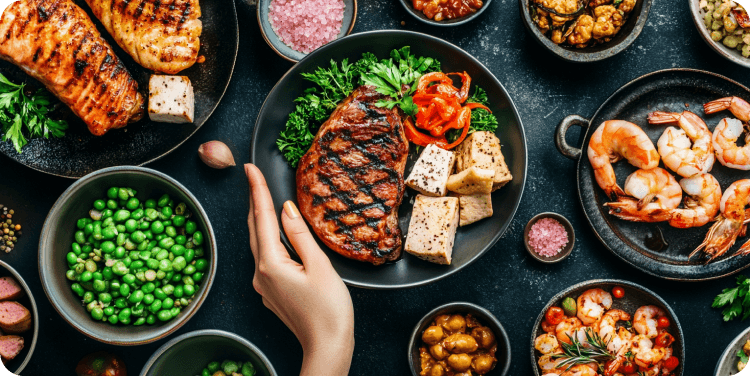
There are dozens of scientific studies about the importance of protein and fiber for your weight loss. Yes – to lose weight, you need to eat enough.
Besides making sure that you eat enough protein-rich (e.g. chicken, tuna, tofu, chickpeas, etc.) and fiber-rich foods (e.g. spinach, vegetables, fruits, etc.), satiety matters too. Starving yourself is not an efficient approach to weight loss.
While most diets focus on calorie deficits, you should not, in fact, feel hungry all the time. When you eat balanced meals and gradually find what works best for you, you may lose weight more effectively and without struggle.
2. Choose a Correct Plate to Control Portions
Yes, your plate makes a difference. Choosing a smaller plate leads to eating less food as proven by many controlled testings. There are also other hacks you can take on for weight loss, for example, experimenting with your plate color. Red or black plates may lead to overeating due to energy-increase. Pick a white plate for a safer choice.
That’s actually one of the many principles here at Eated – your plate is just enough. No need to count every calorie you eat.
3. Focus on Long-Term Behavior Changes
Slow improvements win extra points against fad diets, crash diet plans, and other extreme weight-loss methods.
What actually works is building sustainable nutritional habits that will last you a long time. Choose to change your eating habits sustainably, one by one. For example, start a one vegetable challenge. Add one piece of your favorite veggie (mine is carrot!) to your every meal until it becomes a pleasant tradition.
Slowly and with kindnessProbiotics, you will achieve your weight goals without any diets.
4. Limit Ultra-Processed Foods; Eat Whole
Did you know that ultra-processed foods result in higher calorie intake? Living off highly-processed meals can result in weight gain. That’s why most nutrition experts recommend a different approach – whole foods. A diet based off minimally processed foods leads not only to long-lasting weight loss effects, but also to multiple health benefits.
What is ultra-processed food? Think chips, sodas, mainstream cereals, and any convenience foods. These are industrially-created products made from extracted ingredients that lost all of their initial benefits.
5. Drink Less Sugar, More Water
One energy drink has up to 62g of sugar per 16-oz serving which is way above a daily limit for an adult. There are studies that link extra-consumption of sweet drinks to weight gain and even obesity.
Once more, you don’t have to make dramatic changes in one day. Those don’t stick. What actually sticks is doing one step at a time. Change your morning extra vanilla latte to a black coffee with a splash or milk or orange juice. Even changing your favorite Cola to Cola Zero can make a difference. But remember: one step at a time.
6. Show Your Gut Some Care with Probiotics
What probiotics are all about? These little microorganisms help your gut to be healthy and function properly. Good news – microbiome health can influence weight loss. Probiotics are not the strongest tool for losing weight, but it definitely helps combined with other methods listed here. Trust your gut!
You don’t need to look for Lactobacillus, Bifidobacterium, or any other specific type of probiotics. Add yogurt to your daily food rotation. All fermented foods like kimchi or sauerkraut are great too.
7. Lower Stress & Prioritize Sleep
Studies show that both stress and sleep deprivation activate the same hormones responsible for increasing your appetite. When you don’t sleep properly or find yourself constantly under chronic stress, your body will react by wanting to eat more. It’s a natural evolutionary response.
If you find a way to manage triggers or tackle your circadian rhythms, it will immediately improve your well-being and result in a loud thank you from your body. It will just stop having to overeat to function.
8. Eat Mindfully, Slowly, and Without Distractions
Eating mindfully and paying full attention to food can help with weight loss. It’s also important to eat slowly and without distractions. Slow eating leads to lower calorie intake and even better hunger regulation.
Focusing on food may not be easy, but there are ways to help you. For example, try to avoid screens. A habit to binge watch a movie while binge eating your food doesn’t help to lose weight.
9. Find Consistency in Your Eating Routine
Regular meal patterns are central for weight management. If you eat consistently by your internal-clock schedule, you will intuitively know how often you need to eat. This habit will help you manage stress-eating and snacking. Also, eating regularly helps with metabolism and overall health.
Test and try what works best for you. The “classical” way of regular eating is 3 meals per day, but we don’t believe in that. Your body knows better how many times a day, how much and what food you need to eat.
FAQ
1. So, can you lose weight without dieting?
Yes, you can lose weight without dieting. Focus on lifestyle changes like sleeping better or eating more vegetables. There are some highly-effective creative methods like experimenting with a plate size and color. By following principles of mindful eating, you can reach your weight goal without a strict diet plan.
2. How much weight can I really lose in a month without dieting?
You should not lose more than 8 pounds a month. 1 to 2 pounds per week is a safe and sustainable goal. Weight loss is also specific to your unique body characteristics, genetics, and even hormones. We recommend you to focus on eating habits and your overall well-being, not numbers.
3. Why don't traditional diets work?
“Traditional” diets are not effective because of physiological reasons like metabolism disruption and hormonal changes. Hyperfocus on food also results in eating more, not less. In general, classic and extreme diets don’t work because they are not sustainable.
4. What should I do if I try to lose weight but nothing works?
If you try to lose weight and nothing sticks, consult your doctor. Sometimes it’s a health issue, and you may need medical help. If not, try to bring on lasting changes by limiting ultra-processed foods, eating mindfully, maintaining consistent meal patterns, and more.
Conclusion
You don’t need a diet to lose weight. There is no perfect diet plan for us all, and classic diets often don’t work or result in quick weight gain after you stop actively dieting. Instead try mindful eating methods, eating more fiber, and focusing on sustainable long-term changes. It’s the best way to achieve your comfortable weight.