Weight loss and fat loss are not the same thing, and conflating them is one of the most common reasons people end up lighter but not healthier — or lose weight, regain it, and find it harder to lose the second time. The distinction matters because what you lose determines how your metabolism responds, how long results last, and what you need to do differently to get the outcome you're actually after.
The Difference, Precisely
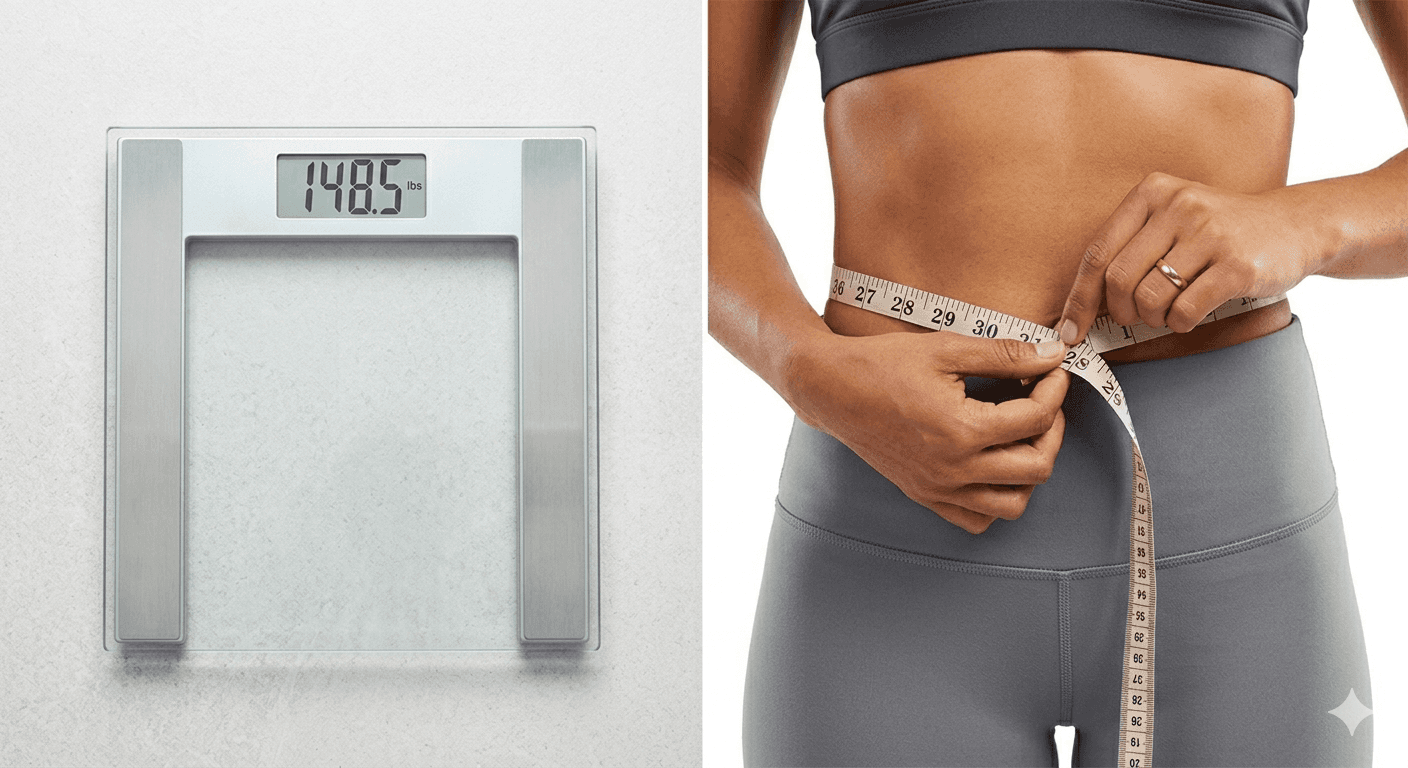
Weight loss is a reduction in total body mass — which includes fat, muscle, water, glycogen (stored carbohydrate), and bone density. When you step on a scale and see a lower number, that number reflects all of these combined. The scale does not differentiate.
Fat loss is a reduction specifically in adipose tissue — body fat — while preserving or increasing lean mass (muscle, bone, organs). This is the outcome most people actually want when they say they want to "lose weight."
The problem: the fastest ways to lose weight are not the same as the most effective ways to lose fat. And the difference has real metabolic consequences.
Why This Matters More Than Most People Realize
When you lose weight through aggressive caloric restriction alone — a low-calorie diet without adequate protein or resistance training — roughly 25–27% of the weight you lose comes from lean mass, not fat. This figure comes from a 2024 systematic review and meta-analysis examining caloric restriction interventions across nearly 5,000 participants. One in four pounds lost is muscle.
This matters for three reasons:
1. Muscle drives resting metabolic rate. Skeletal muscle is metabolically expensive — it burns more calories at rest than fat tissue. Losing significant muscle mass during weight loss means your resting metabolic rate drops. The same deficit that produced weight loss initially produces less weight loss over time, and weight regain becomes easier. This is a core mechanism behind the "plateau" most dieters hit after initial success.
2. Muscle loss compounds with age. Muscle mass declines at 3–8% per decade from age 30 onward — a process called sarcopenia. Crash dieting accelerates this. For women in their 30s, 40s, and beyond, this is one reason nutrition needs change significantly with age — losing significant muscle mass during dieting can meaningfully accelerate the age-related decline in metabolic rate and physical function.
3. Regained weight is almost always fat, not muscle. When weight is regained after a restrictive diet — which happens in more than 80% of cases within three years — the regained weight skews toward fat rather than the muscle that was lost. Each diet-and-regain cycle shifts body composition toward a higher fat percentage at the same scale weight. This is why people who've yo-yo dieted for years often describe feeling "softer" at the same weight they once felt fit at.
What the Scale Is Actually Measuring
The scale measures total mass — and total mass fluctuates significantly based on factors that have nothing to do with fat:
Water retention: A single high-sodium meal can increase scale weight by 1–2kg overnight due to water retention. This reverses within 24–48 hours. It's not fat gain; it's fluid shift.
Glycogen storage: Each gram of glycogen (stored carbohydrate in muscle) binds approximately 3 grams of water. A few days of higher carbohydrate eating increases glycogen stores and therefore scale weight. A few days of lower carbohydrate eating depletes them and produces rapid scale weight loss — most of which is water and glycogen, not fat.
Digestive contents: The food currently moving through your digestive tract adds weight. Weighing yourself before versus after eating will show a difference of 0.5–1.5kg with no change in body composition.
None of this is fat change. But all of it shows up on the scale.
"I see clients devastated because they 'gained 2kg' after a weekend trip. When we actually look at what happened — they ate restaurant food with more sodium than usual, maybe more carbohydrates — that weight is almost entirely water and glycogen. It takes about 3,500 kcal in excess to gain one pound of actual fat. A weekend of eating slightly more doesn't produce meaningful fat gain. The scale lies about the timescale." — Irene Astaficheva, PN1, GGS-1, co-founder of Eated
How to Know If You're Losing Fat or Just Weight
The scale alone can't tell you. Better indicators:
Body measurements: Waist circumference, hip circumference, and how clothes fit are more informative than scale weight. Fat loss with muscle preservation tends to produce visible changes in body shape even when scale weight moves slowly.
Energy levels and strength: Losing primarily fat while preserving muscle typically means maintaining or improving physical strength and energy. Losing significant muscle typically feels like fatigue, weakness, and reduced capacity.
Rate of loss: Sustainable fat loss in the research literature runs at approximately 0.5–1% of body weight per week. Faster loss than this almost always involves significant lean mass loss and/or water weight. Slower isn't failure — it's often the difference between losing fat and losing everything.
What Actually Drives Fat Loss (Not Just Weight Loss)
Three factors determine whether weight loss comes primarily from fat or from a mixture of fat and muscle:
1. Adequate protein intake
Protein is the primary nutritional signal to preserve muscle during a caloric deficit. Without adequate protein, the body has no signal to maintain lean mass, and muscle becomes an energy source alongside fat. Protein needs increase with age — older adults need more protein relative to body weight to maintain muscle, not less. A palm-sized protein serving at every meal is the most practical way to hit adequate intake without tracking grams.
2. Resistance training
A systematic review and meta-analysis found that adding resistance training to caloric restriction reduced lean mass loss by 93.5% compared to caloric restriction alone. You don't need to be in a gym — bodyweight resistance exercises (squats, push-ups, lunges) provide sufficient stimulus to preserve muscle during a deficit. This is the single most impactful intervention for shifting weight loss toward fat loss.
3. A moderate deficit, not an aggressive one
The 2024 meta-analysis found that less restrictive caloric restriction interventions were associated with greater fat mass loss and less lean mass loss than very-low-calorie approaches. Aggressive restriction produces faster scale weight loss but worse body composition outcomes. A modest deficit — creating less urgency but preserving metabolic rate and muscle — produces superior long-term results.
The Habit-Based Approach to Fat Loss
Most approaches to fat loss focus on restriction — eat less, track everything, create the largest deficit possible. The research on body composition outcomes suggests a different priority order: adequate protein first, resistance training alongside, moderate deficit through food quality improvement rather than aggressive restriction.
This is the logic behind the Harvard Plate approach: half the plate vegetables and fruits (displaces calorie-dense foods without restriction language), a quarter protein (preserves lean mass), a quarter whole grains (provides sustained energy without glucose spikes). This composition naturally creates a modest caloric deficit relative to a typical Western plate — not through counting, but through structure.
The Eat Enough Protein habit in Eated is built specifically around this: making protein at every meal automatic rather than something you have to remember to plan. When protein becomes the anchor of every meal by habit, lean mass preservation happens without tracking.
If you're trying to improve body composition rather than just reduce scale weight — the framework matters more than the deficit size.
Download Eated free on the App Store → · 7-day free trial · $9.99/month or $59.99/year after trial
Honest Limitations
This post focuses on the dietary and behavioral side of fat loss versus weight loss. Exercise — particularly resistance training — is a significant variable that's addressed briefly here but merits its own detailed treatment. For people with significant obesity, clinical supervision of any weight loss approach is advisable.
The distinction between fat loss and weight loss also doesn't mean scale weight is meaningless. It's a useful trend indicator when viewed over weeks rather than days. The problem isn't the scale — it's using daily scale weight as the primary measure of progress for a process that involves significant short-term fluctuation from non-fat sources.
FAQ
What is the difference between weight loss and fat loss? Weight loss is a reduction in total body mass — including fat, muscle, water, and glycogen. Fat loss is a reduction specifically in body fat while preserving lean mass. The scale measures total weight; it cannot tell you what you're actually losing. The distinction matters because losing significant muscle mass alongside fat slows metabolism, makes weight regain more likely, and worsens body composition over time.
Is it possible to lose fat without losing weight? Yes — particularly when beginning resistance training while improving diet quality. Building muscle while losing fat can keep scale weight stable or even increase it while body composition improves significantly. This is why the scale is an incomplete measure of progress, especially in the first weeks of a new training and eating pattern.
How much of weight loss is fat vs muscle? In caloric restriction without resistance training, approximately 25–27% of total weight loss comes from lean mass (primarily muscle), with the remaining 73–75% from fat. Adding resistance training and adequate protein can shift this ratio significantly toward fat loss.
Why do I keep losing and regaining the same weight? The most common cause is losing weight through aggressive restriction that includes significant muscle loss, then regaining weight primarily as fat. Each cycle leaves you with less muscle and more fat at the same scale weight — which makes the next cycle harder. Prioritizing lean mass preservation (protein + resistance training) during any caloric deficit breaks this pattern.
Does losing weight slowly mean more fat loss? Generally yes. Faster scale weight loss almost always involves more lean mass loss and water weight. Slower, more gradual weight loss — 0.5–1% of body weight per week — tends to preserve more lean mass and produce better long-term body composition outcomes, even if the scale moves more slowly.
Bottom Line
The number on the scale measures everything, which means it measures nothing specifically. Sustainable weight loss that doesn't keep coming back requires preserving the muscle that keeps metabolism stable — which means adequate protein at every meal, resistance training, and a moderate rather than aggressive deficit.
The goal isn't a lower scale number. It's a different body composition. And those require different approaches.
Ready to build the eating habits that support fat loss — without obsessing over the scale?
Download Eated free on the App Store · Free to download · 7-day free trial · $9.99/month or $59.99/year after trial